On the Road (6)

Backing Basics: From Alley Dock to Tight Truck Stops
One of the most important and challenging skills for truckers is backing up. Knowing the basics of reversing makes a crucial difference in avoiding accidents and fostering career longevity. Whether you are in a busy truck stop or trying to back into a crowded docking spot, you rely on accurate backing every day you are behind the wheel. Backing up to a loading dock, getting through crowded parking lots, and even turning around require patience, precision and practical knowledge.

Pre-Trip, Post-Trip, and DVIR-A Simple, Visual Walkthrough
If you’re just getting started as an over-the-road driver, you’ve probably heard the words “pre-trip,” “post-trip,” and “DVIR” as part of your onboarding or training. At first, it might seem like these are repetitive checks and balances, but the reality is this: these inspections are your protection against tickets, breakdowns, and problems at weigh stations. Knowing how to handle them is the first step toward ensuring you can have a lasting career in the trucking industry.
Trip Planning 101: Parking, Fuel, and Time Windows
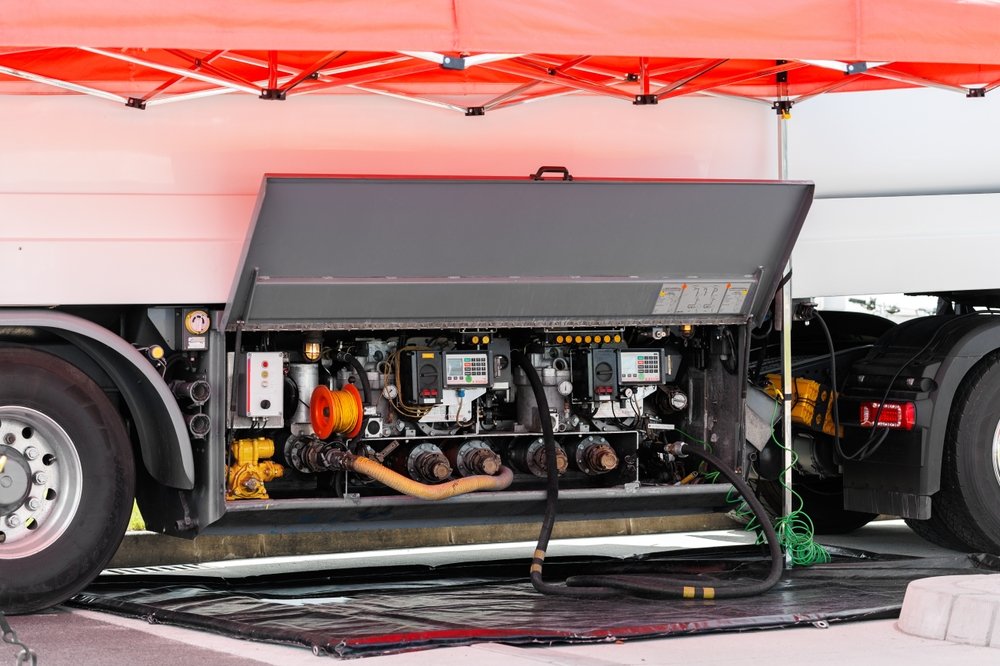
As a new truck driver, planning how to get from Location A to Location B doesn’t seem challenging. That is, until you consider downtime, including where you’ll park, fuel up, and meet Hours of Service breaks. Reverse trip planning for drivers helps you get where you need to be on time without straining along the way.
Split Sleeper Made Easy (7/3 & 8/2) With Real-World Examples
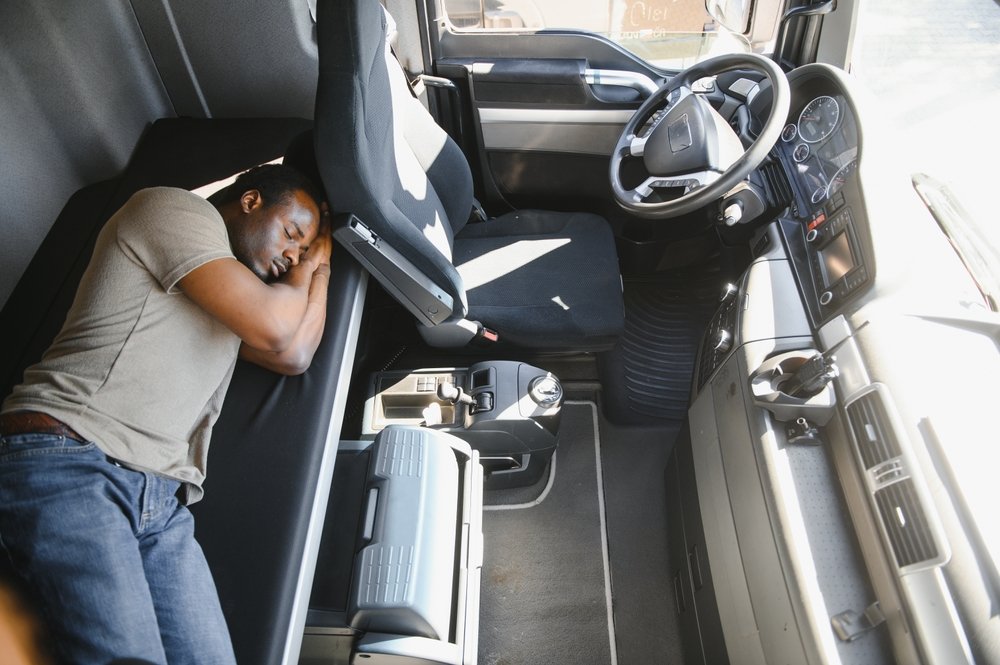
When you're trying to make miles on time and safely, one of the last things you want to think about is government regulations on your downtime. With electronic logs and continuous changes to regulations at federal, state, and local levels, trucking has become more complicated than ever. However, it doesn't have to be when you understand those regulations.

Scale & Inspection Playbook: What to Expect at Levels I-III
The Department of Transportation has multiple rules and regulations in place to ensure commercial trucking is as safe as possible. Weigh stations and inspections ensure that trucking companies are following the rules, and the consequences for lack of compliance can be severe. Fines range from $100 to $15,000, and you could be given an "out of service" order that prohibits you from driving your truck until it passes another inspection. Furthermore, continued failure to pass inspections can lead to a high Compliance, Safety, Accountability (CSA) score, leading to an increase in inspections and additional delays in getting cargo to its destination. You may also see your insurance premiums rise or even lose your policy, as insurance agencies are often hesitant to cover drivers and companies with a poor safety record.

Personal Conveyance: What's Allowed-and What Isn't
Sometimes when you're on the road, you need to run some personal errands. Whether it's a quick run to the store for new clothes, stopping by a grocery for fresh food, or heading to a personal event, the situation can arise that your tractor is your only vehicle at hand. What do you do in this situation? Do you use the truck? Get an Uber? Call a taxi? Rent a car? Fortunately, drivers and companies over the past 100 or so years have found options to make this work.In these cases, most regulations and motor carriers have a policy for something called personal conveyance. This represents time that you use the semi or your own personal business. However, there are particular rules and requirements that you need to meet during this time. In this article, we'll discuss these requirements so that you don't end up using your personal conveyance miles when you shouldn't.